The auxiliary verbs in English grammar, also called helping verbs, are the verbs be, do, have and will. We use auxiliary verbs to conjugate negative sentences and questions in simple tenses and to form the progressive and perfect tenses. Auxiliary verbs can also stand alone as main verbs in a sentence. Auxiliary verbs usually accompany an infinitive verb or a participle, which respectively provide the main semantic content of the clause. An example is the verb have in the sentence I have finished my lunch.

Here, the auxiliary have helps to express the perfect aspect along with the participle, finished. Some sentences contain a chain of two or more auxiliary verbs. Auxiliary verbs are also called helping verbs, helper verbs, or auxiliaries. Research has been conducted into split inflection in auxiliary verbs.

Main verb auxiliary verb example as a main verb example as an auxiliary verb be It can act as a linking verb. We use in in negative sentences and questions./ The third person singularform is does. Have It means to own something or to eat something. It appears in the sentence to show different tenses. Used to talk about future tense in positive, negative and interrogative sentences.

In many cases it is almost impossible to determine in which sense the writer or speaker has used the expression. This may explain to a certain extent the differences of opinion among grammarians as to this or that particular example. Inversion refers to the reversal of the normal position of the subject and the auxiliary verb of a clause.

Additionally, subject-auxiliary inversion can be used to create conditional sentences, as well as for emphasis in negative sentences when negating phrases are used. Auxiliaries are also called helping verbs because they help to complete the meaning of main verbs. Unlike main verbs, auxiliary verbs can't be the only verb in a sentence except in elliptical expressions where the main verb is understood as if it were present. But when it is the auxiliary verb, it does not have a separate meaning.

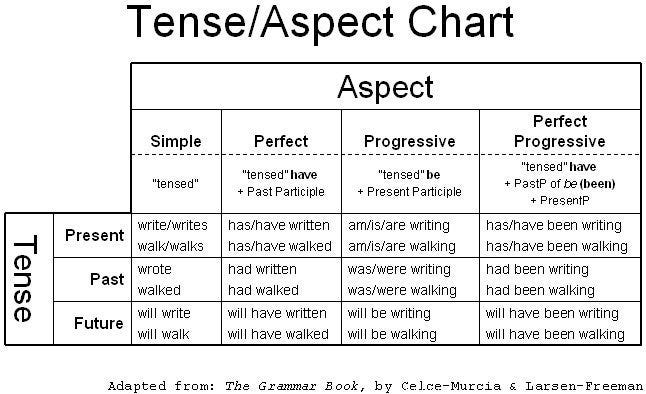
It is only in a sentence to help show the tense of the main verb. As an auxiliary, we use this verb to form perfect tenses in active and passive voices. Be is an auxiliary verb for progressive, also continuous, tenses and for the passive voice.

We can recognise that be is an auxiliary verb in the following sentences because another verb – the main verb – always comes directly after it. The present participle, or -ing form, of the main verb is used for progressive tenses and the past participle is used for the passive voice. Auxiliary verbs help the main verb to express tense or voice or help make questions and negative sentences.

Modal auxiliary verbs combine with other verbs to express ideas such as necessity, possibility, intention, and ability. In each example below, the verb phrase is in bold and the modal auxiliary verb is highlighted. Auxiliary means functioning in a supporting capacity, and that is exactly what these auxiliary verbs do, which is why they are also known as helping verbs. They are used together with a main verb to give grammatical information and therefore add extra meaning to a sentence; information that is not given by the main verb.
See the section on Conditional Verb Forms for help with the modal auxiliary would. The shades of meaning among modal auxiliaries are multifarious and complex. Most English-as-a-Second-Language textbooks will contain at least one chapter on their usage.
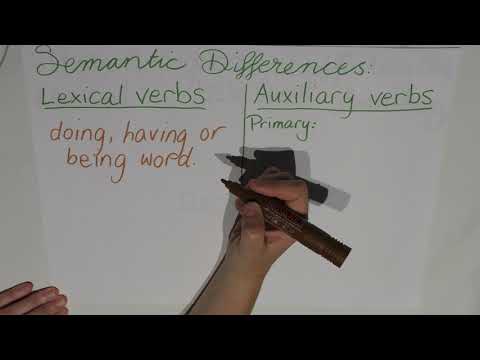
For more advanced students, A University Grammar of English, by Randolph Quirk and Sidney Greenbaum, contains an excellent, extensive analysis of modal auxiliaries. In English grammar, an auxiliary verb is a verb that determines the mood, tense, voice, or aspect of another verb in a verb phrase. Auxiliary verbs include be, do, and have along with modals such as can, might, and will and can be contrasted with main verbs andlexical verbs. My mother seemed to be wondering – some quasi-auxiliaries exist, quasi in the sense that they consist of a small cluster of words rather than a single verb.

Here, is the finite verb marked for person, number and tense, followed by [preposition to + base form + -ing form]. If you had analysed as an auxiliary followed by a base form and an –ing form, you would not be incorrect. The UCL internet grammar gives a short list of quasi-auxiliary verbs. The most commonly used primary auxiliary verbs are forms of do, be, and have.

In addition, a clause can contain one or more auxiliary verbs. Auxiliary verbs, are helping verbs that modify the meaning of the main verbs in a clause. They are used to make tenses, interrogatives, negatives, passives, and to add emphasis. Helping verbs are defined as verbs that help the main verb in a sentence by extending its meaning. They add detail to the main verb and are needed to complete the structure of a sentence.
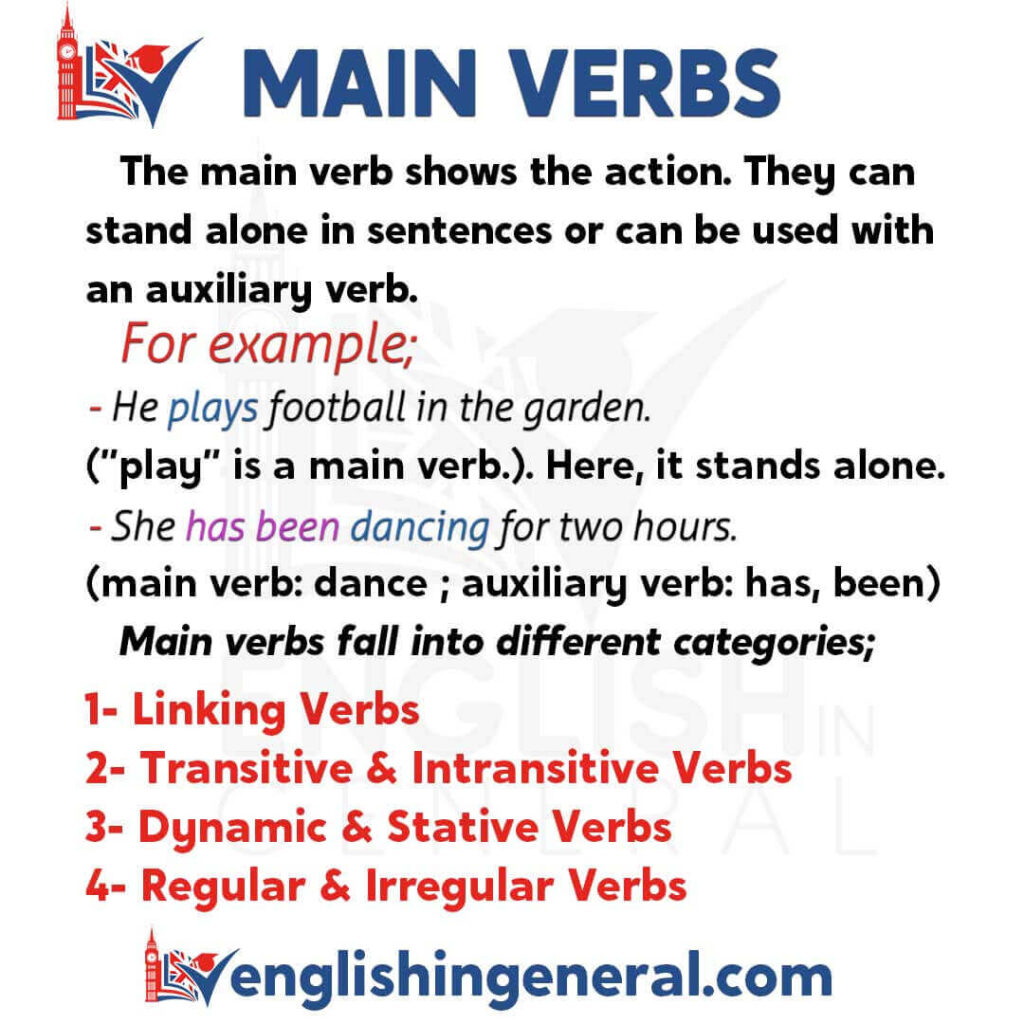
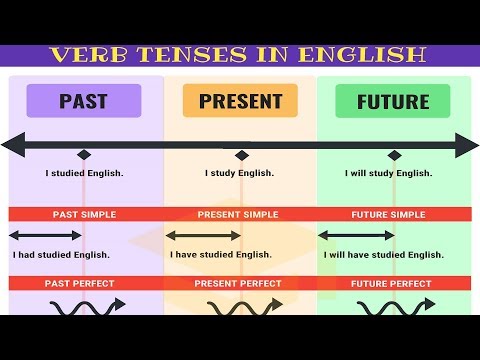
They can also clarify how time is conveyed in a sentence. As a result, helping verbs are used to create the complicated progressive and perfect verb tenses. Learn about the two types of helping verbs and review examples of each.

I'd wager you use auxiliary verbs and modal auxiliary verbs without giving them a second thought, so I'm mindful that this page has covered a lot of gumpf that you don't really need. Well, that's true provided we're talking about working in English. If you start learning a foreign language, it won't be too long before you'll be unpicking how they express tense, voice and mood. And, do you know what's a good starting point for that?
If the negative forms can't, don't, won't, etc. are viewed as separate verbs , then the number of auxiliaries increases. The verbs do and have can also function as full verbs or as light verbs, which can be a source of confusion about their status. The modal verbs form a subclass of auxiliary verbs. Modal verbs are defective insofar as they cannot be inflected, nor do they appear as gerunds, infinitives, or participles.

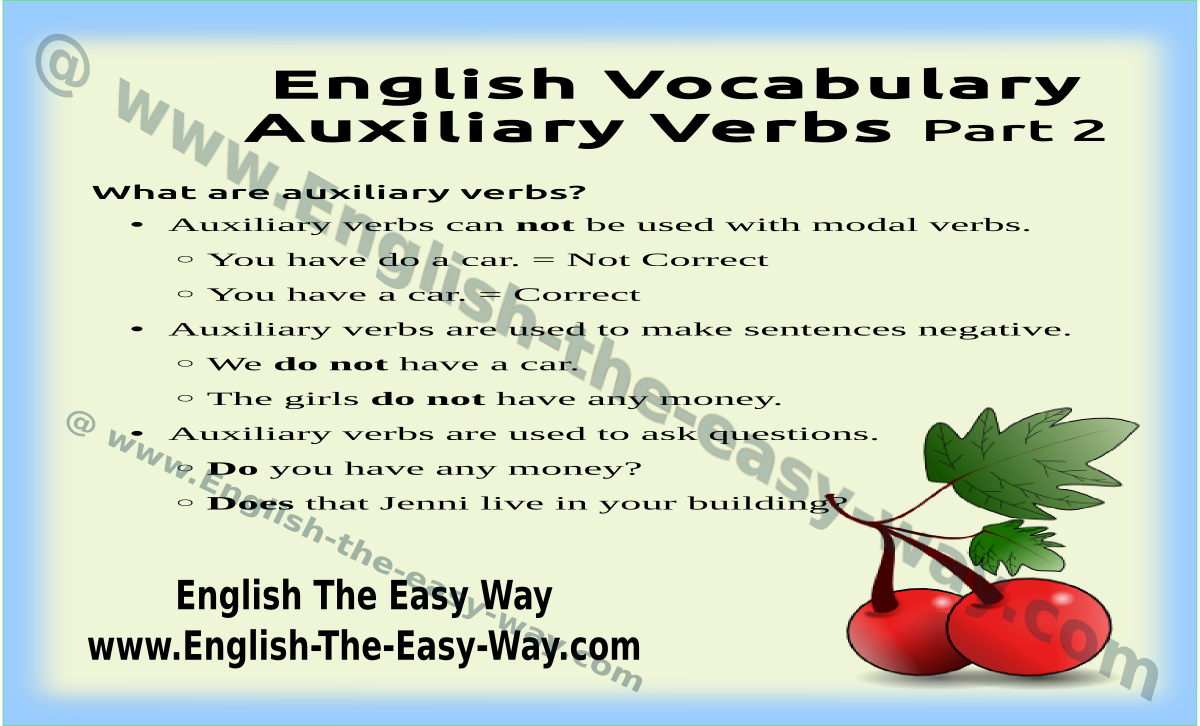
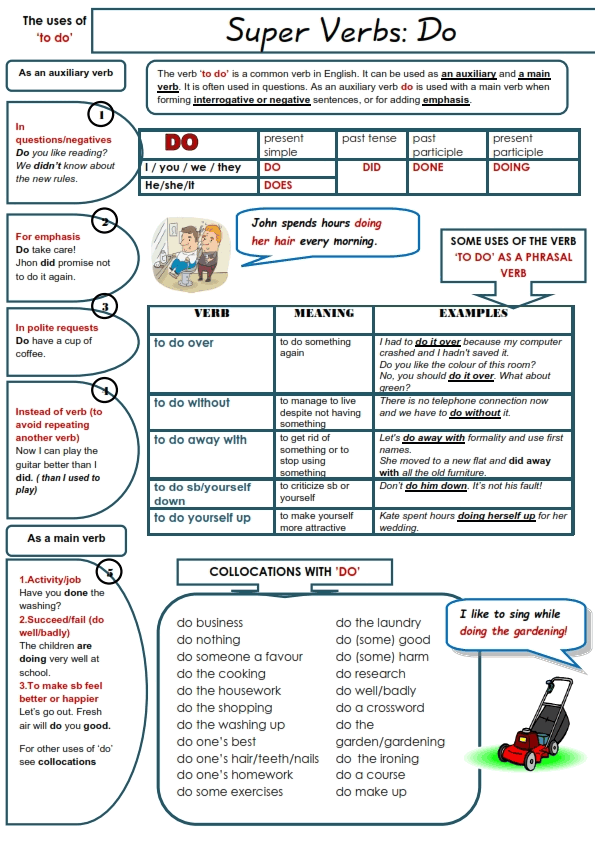
We use do as an auxiliary verb for negative sentences and questions in the simple present and the simple past. In these cases, the main verb is used in the infinitive form. When used with the main verb, modal verbs do not end with -s for the third-person singular. Modal auxiliary verbs never change form, but they have a different form for past tense.

In this example in the past perfect continuous tense, we add the auxiliary verbs had and been, which are forms of have and be. When this occurs, perfect aspect is superior to progressive aspect, e.g. Modal auxiliary verbs have only one form and never change their form, so we cannot add 'ed', 'ing', or 's' to the end of words. They follow a pattern (modal + main verb), (modal + be + present participle) and (modal + have + past participle). It also needs to be paired up with another verb in order to create a complete verb phrase. It can be present or past and singular or plural.

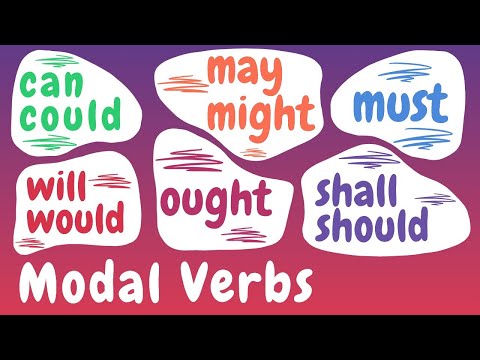
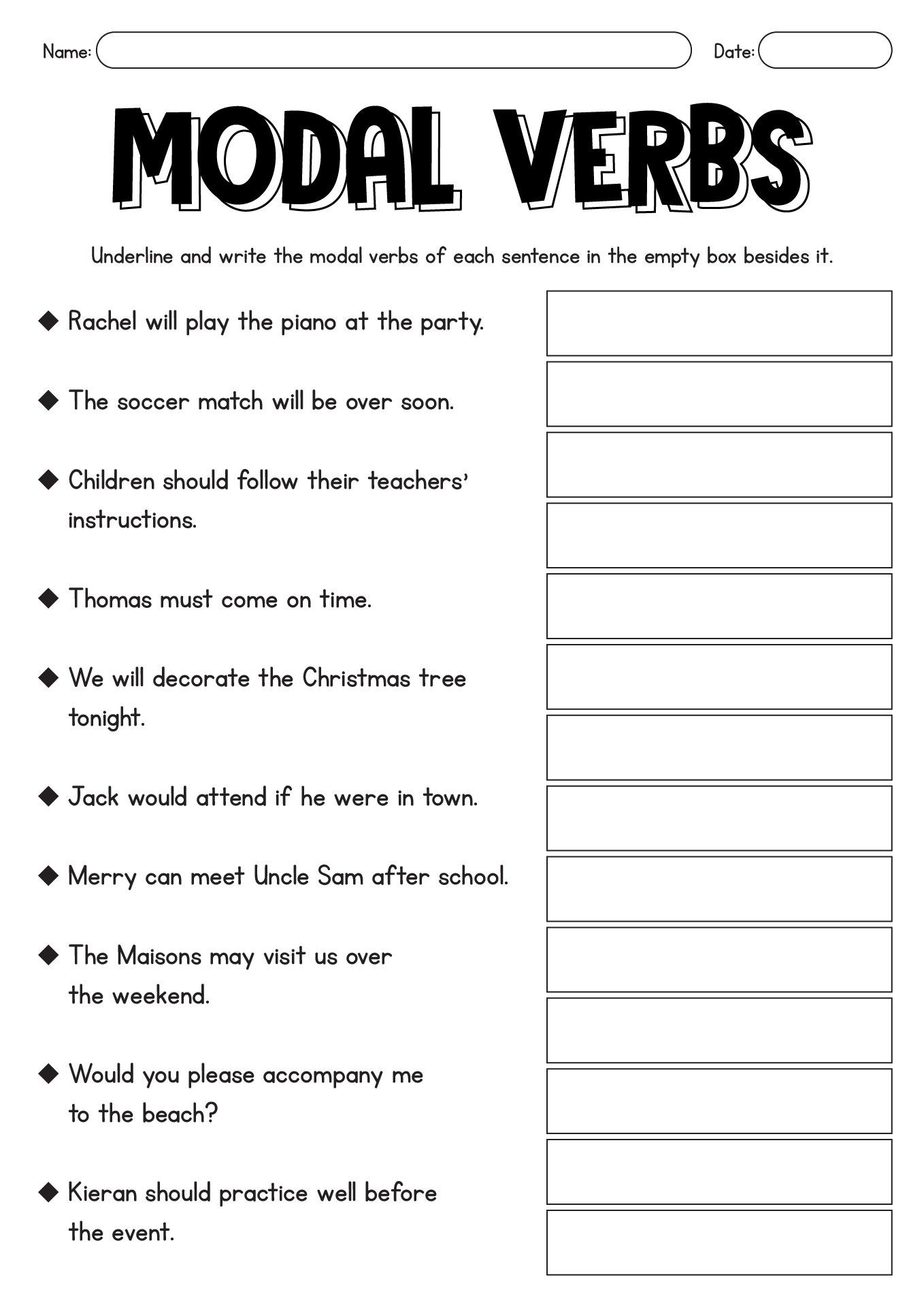
It is used to make negative sentences by adding the word "not". These combine with other verbs to express necessity, possibility, intention, obligation, or ability. The modal auxiliary verbs are must, shall, will, should, would, ought , can, could, may, and might.
Auxiliary verbs add grammatical or functional meaning to the clauses in which they are used. They can be used to express aspect, voice, modality, tense, etc. For example, I have read this book so many times. "Have" is an auxiliary, which helps express the perfect aspect. A verb used in forming the tenses, moods, and voices of other verbs.

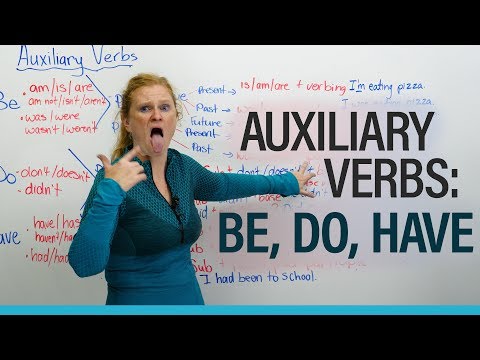
The primary auxiliary verbs in English are be, do, and have; the modal auxiliaries are can, could, may, might, must, shall, should, will, and would. When it comes to auxiliary verbs, 23 auxiliary verbs stand out. The "Big Three" auxiliary verbs are "be," "have" and "do" in all their forms. But, there are also a few other auxiliary verbs called modal auxiliary verbs. Auxiliary verbs (also known as 'helping verbs') include be, do and have. They are used along with the main verb in a sentence to make questions, negative statements, passives and tenses.

The primary auxiliary verbs are be, do, and have, and they are the most commonly occurring auxiliaries in English. Each can also be used as a main verb in a clause, and each is able to conjugate to reflect plurality, tense, or aspect. VerbIdeascanchange.Youmustwaithere.Some statements use more than one auxiliary verb. Note that the first auxiliary verb is conjugated for tense and person.

The following auxiliary verbs take the form of a present participle or a past participle. The main verb takes the form of a present participle or a past participle. Here are examples of sentences constructed with two auxiliary verbs.
What Is The Auxiliary Verb In English Fred may be being judged to have been deceived by the explanation.Viewing this sentence as consisting of a single finite clause, it includes five auxiliary verbs. From the point of view of predicates, judged and scrutinized constitute the core of a predicate, and the auxiliary verbs contribute functional meaning to these predicates. These verb catenae are periphrastic forms of English, English being a relatively analytic language.
Other languages, such as Latin, are synthetic, which means they tend to express functional meaning with affixes, not with auxiliary verbs. Some syntacticians distinguish between auxiliary verbs and light verbs. The two are similar insofar as both verb types contribute mainly just functional information to the clauses in which they appear. Be, have and do can be auxiliaries and main verbs. They have grammatical functions and are used for forming tenses, questions, the passive, etc.
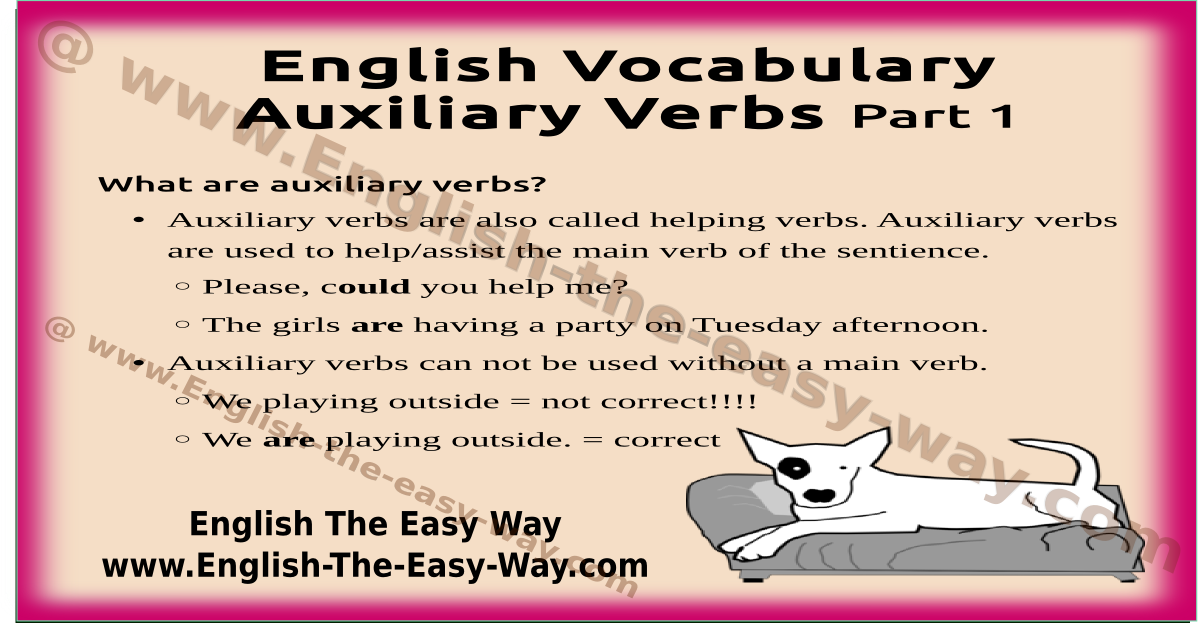
Auxiliary verbs are helping verbs, they don't have their own meaning. We use them together with a main verb to make positive, negative and question sentences in various tenses. The verbs can, could, will, would, shall, should, must, may, and might are known as modal auxiliary verbs. These are distinguished by the fact that they are unable to conjugate into different forms, and they are only followed by a verb in its base form. Auxiliary verbs are verbs that add functional meaning to other "main" or "full" verbs in a clause. They are used to create different tenses or aspects, to form negatives and interrogatives, or to add emphasis to a sentence.

However, they do not have semantic meaning unto themselves. It is used as an action verb which can also stands alone in all tenses including to do, do, done, does, did, didn't, did not or doesn't. In order to make a complete verb phrase, it is paired up with another verb. We generally use 'do' to ask questions and make negated clauses.
SubjectverbIama student.Shedoesher homework at night.Tomhastwo dogs.Auxiliary verbs are always placed in front of the main verb. The verbs BE, DO, and HAVE are conjugated for tense and person when they are used as auxiliary verbs. When the auxiliary verb is BE, the main verb takes the form of a present participle or an infinitive. There is a further set of auxiliary verbs known as modal verbsor modal auxiliary verbs. They are used before the main verb to make different verb forms, negatives and questions. One or more auxiliary verbs can be used together.

Do can be used as main verb and as auxiliary verb. Do as an auxiliary verb is used to form the negative and interrogative sentences of other verbs, as well as for emphasis and negative imperatives. Do as an auxiliary verb is used to form thenegativeand interrogative sentences of other verbs. It is also used in an affirmative sentence to give emphasis. In its negative form (don't), it can function as negative imperative but only in the present tense. These auxiliary verbs can help us to form tenses, switch to the passive voice, form negations, or add emphasis.

You may have heard auxiliary verbs referred to as helping verbs, but what is this type of verb, and what does it do in English? When we say it is "helping" a main verb, we mean it's helping to clarify it. Explore what auxiliary verbs are and how they are used in English. Auxiliary verbs are used together with a main verb to show the verb's tense or to form a negative or question. The most common auxiliary verbs are have, be, and do. Auxiliary verbs typically help express grammatical tense, aspect, mood, and voice.
They generally appear together with an infinitive. The auxiliary verbs of a language form a closed class, i.e., there is a fixed, relatively small number of them. In this case, no other verb comes directly before or after it. When be is used as a main verb, no auxiliary verb is needed for negative sentences or questions. Helping verbs also always come before the subject in a question, whereas main verbs use "do" and follow the subject to form questions. Therefore, the word "can" in the question "Can I have another apple?" is an auxiliary verb while "do" in "Do you want to go to the movies?" acts as the main verb.


No comments:
Post a Comment
Note: Only a member of this blog may post a comment.